Kindness
Adoption is a human problem, not a technology problem. Treat people well or the system doesn't change.
Why every engagement starts with each person's actual workflow, not a slide on AI capabilities.
About
Twenty-eight years across five technology waves. AI is the sixth. Same human problem every time.
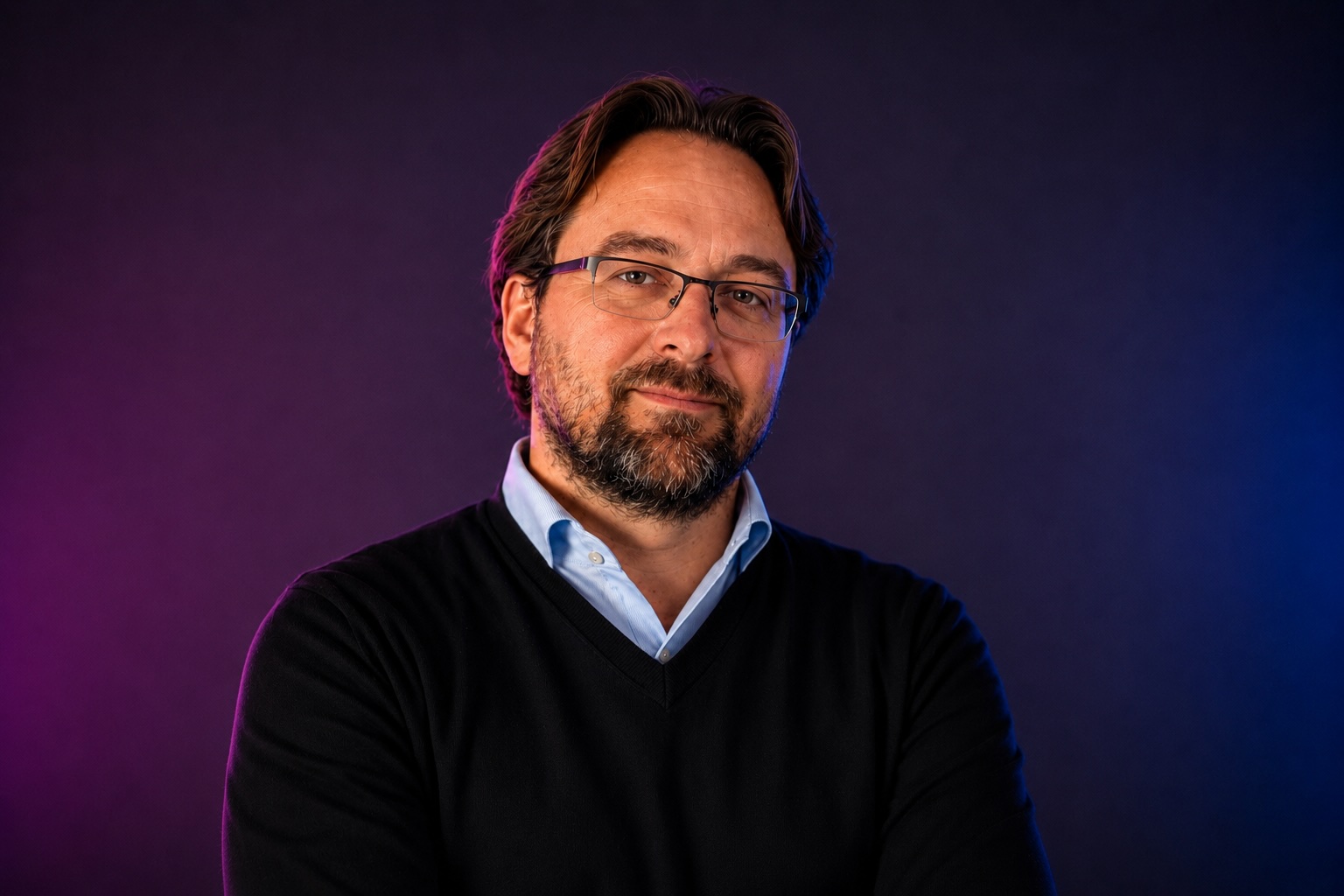
The arc
I've spent 28 years asking the same question from different angles: why do teams freeze when new technology arrives, and how do you get them moving again?
The question first showed up in 1998, when I was building websites and watching organisations struggle to understand what "the web" meant for them. It came back with mobile. Then with omnichannel. Then with IoT. Each time: the technology was clear, the transition was not.
Somewhere along the way I stopped being a maker and became the person in the room who translates between "this is where the world is going" and "this is what we do Monday." The tools changed. The human problem didn't.
AI is the sixth wave. But this one is different (not in its human dynamics, those are identical) in its depth. AI doesn't just change what we build; it changes how we build. The operating model itself is shifting. That's what I work on now: helping teams install the new way of working, not just adopt the new tools.
The portfolio reflects the pattern. I built products (IRISnet's MyIRISnet and MyMonitoring). I redesigned navigation for a 27-language platform serving over a million daily visitors (European Parliament). I initiated omnichannel transformation in a large, resistant organisation (Carrefour). I activated AI practices in teams stuck between knowing and doing (Novable, idloom, the EP AI Service). The common thread: creating clarity where complexity creates paralysis.
Today I work primarily on AI activation: the AI Activation Sprint for cross-functional teams, the Digital Product Team Transformation for product and engineering organisations. I run this work through Beyonders, the studio I co-founded. I teach Future Thinking at IHECS Academy in Brussels. The thread holds: clarity where complexity creates paralysis.
Worked with




"Raphaël is probably the most digital person I have met in the course of my career. He has particularly impressive general and digital knowledge. In business, we often have a tendency to create complexity and his greatest strength is that he simplifies things so that the customer receives the best possible experience."
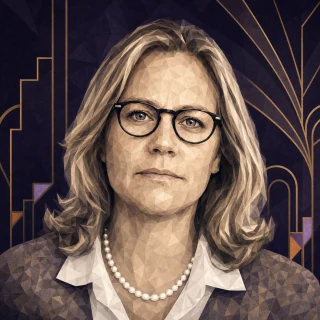 Véronique Marichal Head of e-Commerce & Digital Marketing, Carrefour Belgique
 "Collaborating with Raphaël on the IRISnet projects has been a real pleasure. He was the main driving force that led to the start of several, high-impact projects (MyIRISnet + MyMonitoring), assembled a team of highly skilled people, set the vision for the products, also acted as project manager and tester."
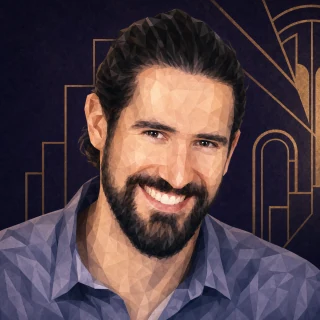 Thibaut Van Spaandonck IRISnet
 "I have worked with Raphael on information architecture and other design issues and found him very knowledgeable, friendly and open to learn."
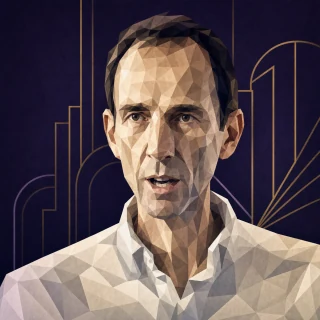 Gerry McGovern Top Tasks methodology, author
 28 years. 5 technology waves. 1 consistent question.
What I work from
Adoption is a human problem, not a technology problem. Treat people well or the system doesn't change.
Why every engagement starts with each person's actual workflow, not a slide on AI capabilities.
Real change shows up in Monday-morning behaviour, not in slide decks. If the practice doesn't survive the engagement, the work didn't happen.
Why every program ends with installed practice, not a final presentation.
The next wave is always already starting. I read the primary sources so my team doesn't have to chase headlines.
Why the methodology is built on Anthropic, OpenAI, NIST, and OWASP primary research, not vendor decks.
Complexity is a tax. The job is to remove enough of it that the team can move, not to dress it up in better diagrams.
Why pricing is one anchor, not a tier menu. Why proposals are one page, not twenty.
How I work
Not training slides. Not strategy decks. Working methods your team uses Monday morning. Two ways in, calibrated to where your team is and what you're trying to install.
8 weeks
Cross-functional teams build collective AI fluency by working on their actual deliverables. The horizontal entry point.
Half a day
CODIR and COMEX leadership leave with a scored, prioritized AI decision instead of another slide deck. The executive entry point.
Thirty minutes, no slides. We'll talk about where your team is stuck and whether the Sprint or the Workshop is the right entry point, or whether you should talk to someone else entirely.